Trump's War on Antifa
An Analysis of How the Trump Administration's Crusade Against "Antifa" and Minority Groups Unleashed the Specter of Civil War

👋 Hey, Martin here! I publish geopolitical articles every week, welcome to share your views. Geopolitics for those who shape outcomes, not just follow them.
Join the conversation on some of the most-read analyses recently:
Can Trump’s UK Visit Split the Franco-German Core of Europe?
Forget Senile, He’s Corrupt: Inside the Biden Dynasty’s Game of Power
U.S. and EU Join Forces, Threaten China with Punitive Tariffs
👇Let’s begin today’s article. I’m looking forward to reading your thoughts in the comments.
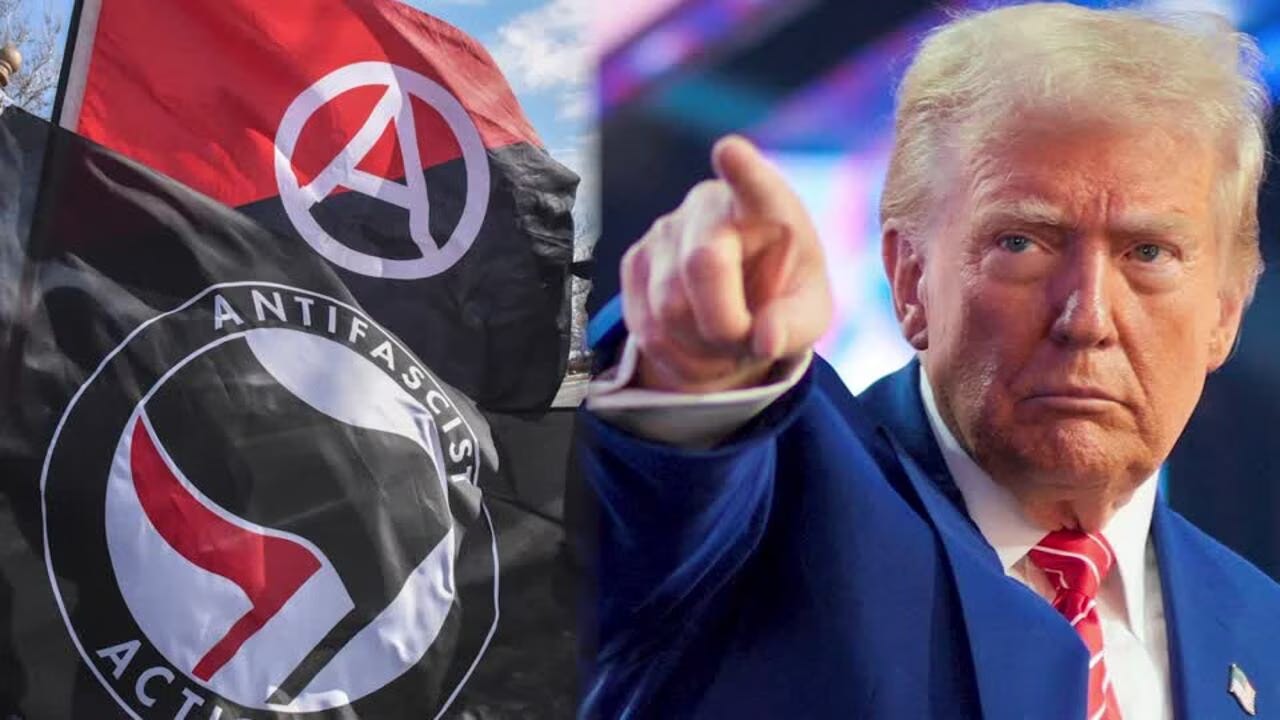
On September 27, President Trump declared that he would deploy “all necessary troops to protect Portland,” asserting that the city was “under assault from anti-fascists and other domestic terrorists.”
At the same time, the Trump administration announced plans to designate the “Antifa” organization—which advocates for the interests of Black Americans and other minority groups—as a terrorist entity, while preparing to mobilize military forces to target it.
In my view, Trump’s decision to brand these Black-led organizations as terrorist groups and authorize military action against them, simply because they accused him of promoting white supremacy, carries a clear undertone of personal vendetta.
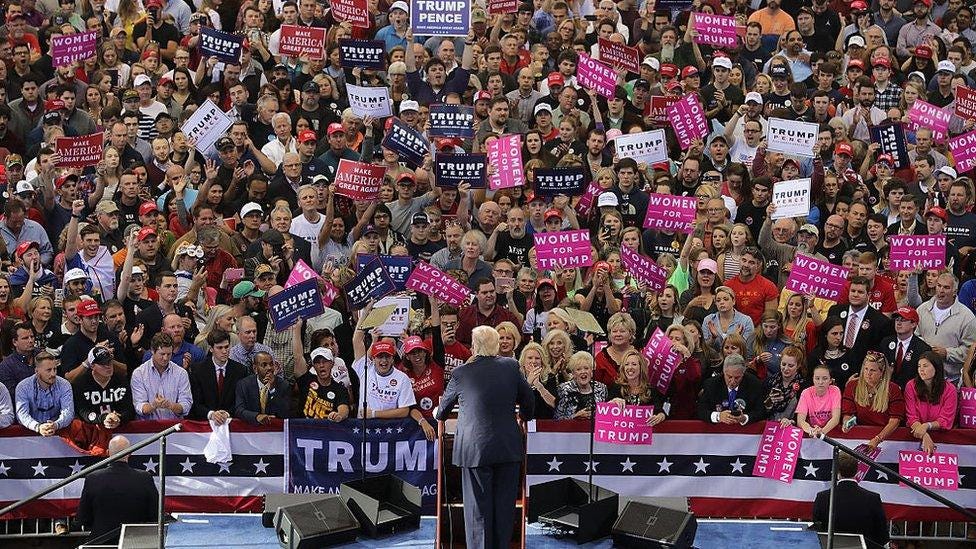
For instance, Trump’s 2016 election victory relied heavily on support from white supremacist elements within the MAGA movement.
Yet the white nationalism he championed only intensified racial divisions across the United States, prompting widespread accusations from Black communities that he was fueling racial prejudice.
The Seeds of Conflict: From White Nationalism to Portland’s Protests
I believe that Donald Trump has stoked racial animosities in America, deepening the rift between Black and white communities.
While he never openly admitted it, his rise to the presidency on the back of white supremacist rallying cries led to the proliferation of extremist nationalist groups among white Americans.
These organizations, operating under slogans like “defending white interests, preserving traditions, and protecting Trump,” have routinely targeted and intimidated Black people and other minority groups throughout the country.
Fueled by Trump’s inflammatory rhetoric, a number of white extremist nationalists turned to violent retaliation, engaging in massacres targeting Black individuals and other minority groups.
In 2017, shortly after Donald Trump assumed the presidency, a white supremacist carried out a brazen racist attack in El Paso, resulting in the deaths of 22 people from minority communities.
These white nationalists established several radical organizations, including the notorious neo-Nazi outfit “The Daily Stormer,” the white nationalist entity “American Guard,” and the “Proud Boys.”
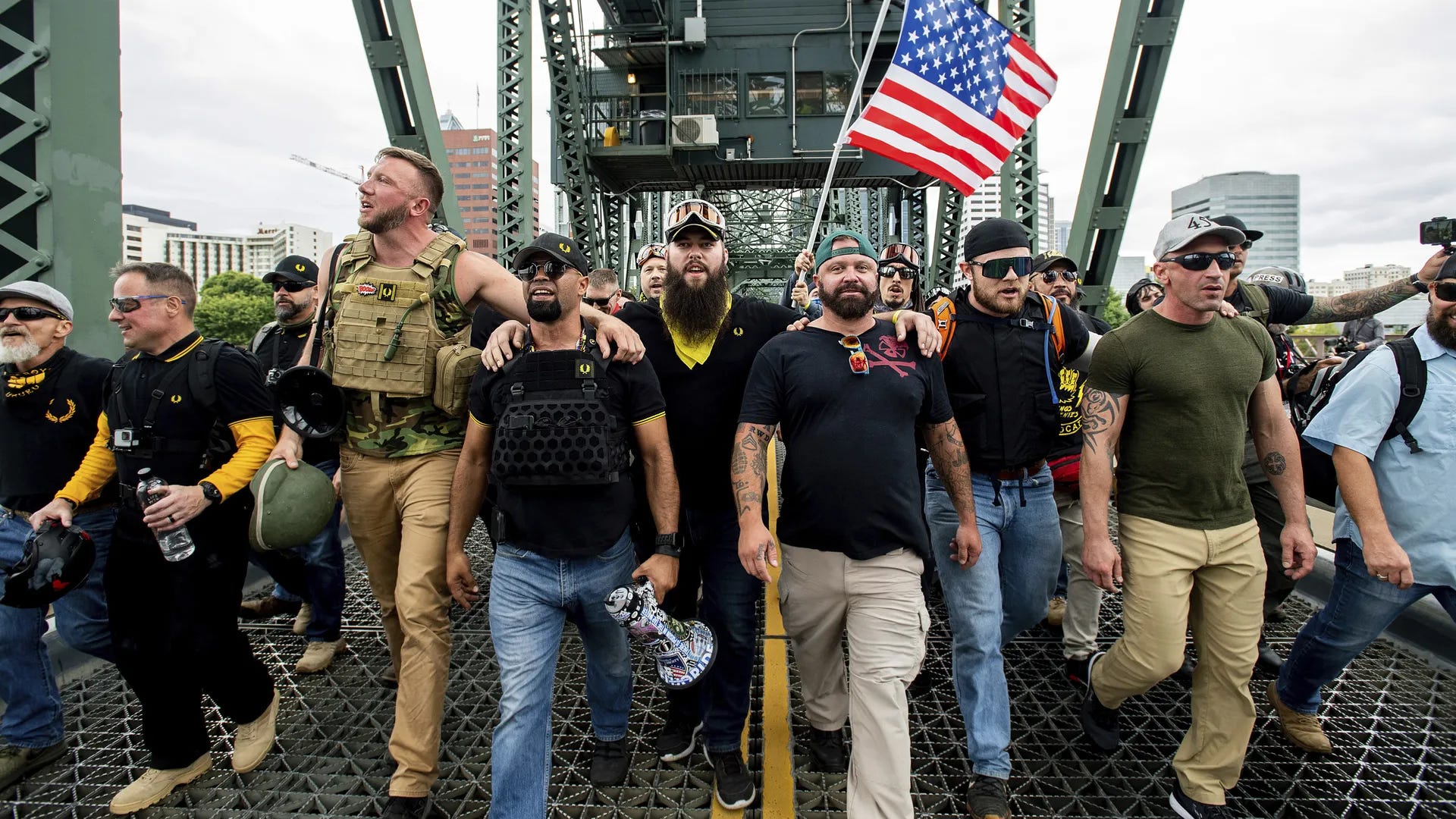
Through coordinated strategies, they methodically suppressed Black communities and executed reprisals against minorities.
Under these conditions, Black people and minorities were compelled to defend themselves. Blacks created various additional organizations and, in collaboration with other minorities, formed an inter-ethnic alliance known as “Patriot Prayer.”
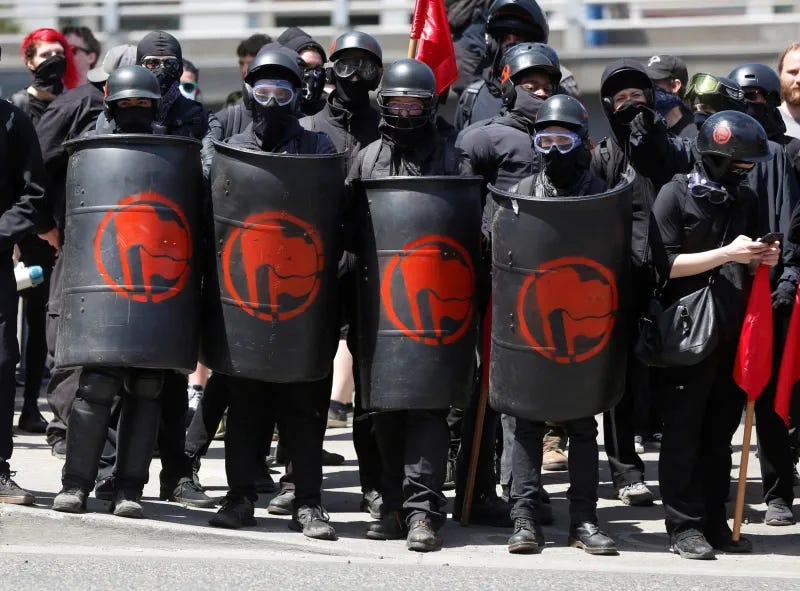
Members of these groups appeared on the streets clad in armor and helmets, vocally demanding an end to Trump’s promotion of white supremacy and white terrorism.
Their central ideology focuses on resisting Trump as a fascist figure, alongside white supremacy and far-right elements.
Their methods of protest chiefly involve street demonstrations, surveillance of white far-right groups, and the pursuit of “direct action.”
Such activities include nonviolent approaches like distributing posters and organizing marches, yet they frequently escalate to violent confrontations with rival factions, vandalism of property, or aggression toward police officers.
Given that Portland is a city largely populated by Black residents and immigrants, it has emerged as a key bastion for anti-Trump resistance and the primary epicenter for these Black-led organizations’ efforts.
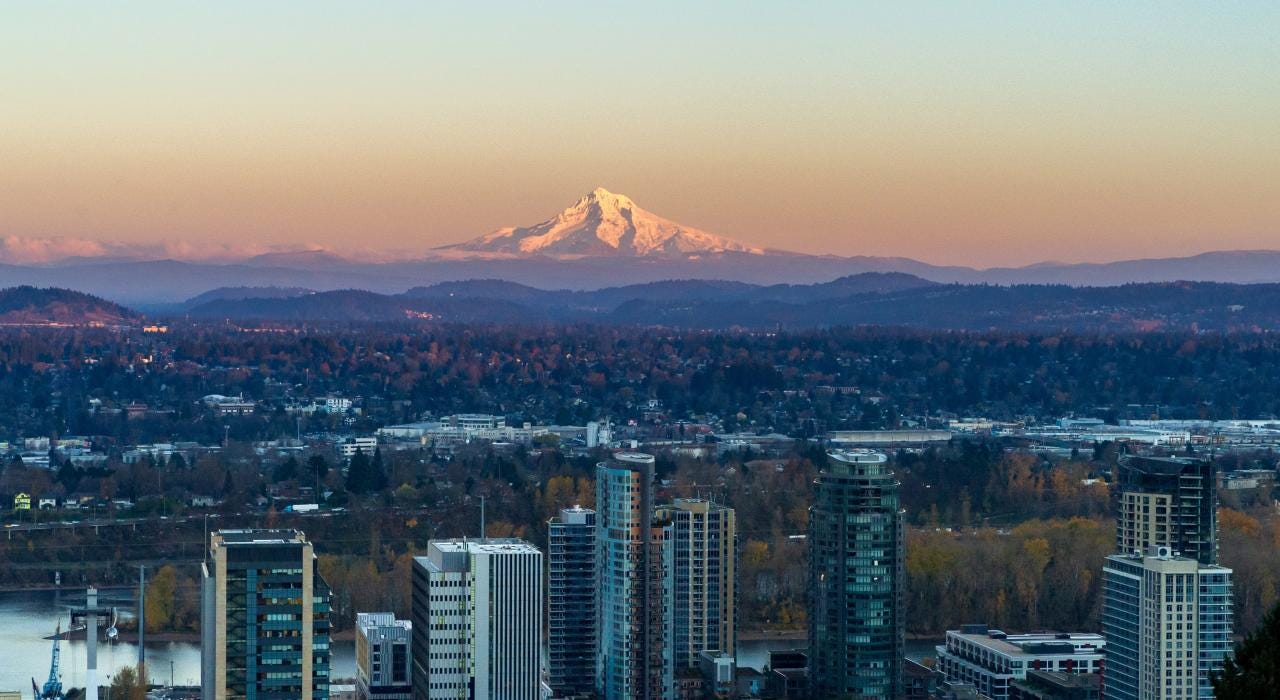
In 2017, Portland witnessed a surge of intense street clashes between Black and white racial extremists, with violent incidents occurring repeatedly.
This escalation fostered profound divisions between the city’s Black and white populations, compelling local white inhabitants to either affiliate with protective groups or relocate elsewhere under duress.
The bilateral strife effectively turned Portland into a war zone, spurring the recently elected Trump to warn that he would classify all Black organizations in the city as terrorist entities and mobilize military forces for a comprehensive crackdown.
However, his proposal was destined to fall flat. The sequence of events began with white agitators initiating indiscriminate assaults on Black individuals, leading Blacks to establish organizations for self-preservation. Trump then branded them as terrorists and vowed to dispatch troops to wipe them out.
The United States is not the exclusive province of the Republican Party.
Democrats blocked Trump’s initiative from ever advancing to congressional consideration.
As a result, Trump’s ambition to encircle and suppress Black organizations came to naught, though the unrelenting confrontations in Portland between numerous Black ethnic entities and white far-right factions showed no signs of abating.
Through this extended period of semi-militarized stalemate, the assorted Black organizations progressively forged a consolidated alliance dubbed “Antifa.”
Portland’s long history of racial conflict created a tense atmosphere of ethnic antagonism, which became one of the indirect catalysts for the 2020 incident where George Floyd was killed by a white police officer during an arrest.
Floyd’s fatal restraint by kneeling ignited the “Black Lives Matter” (BLM) movement.
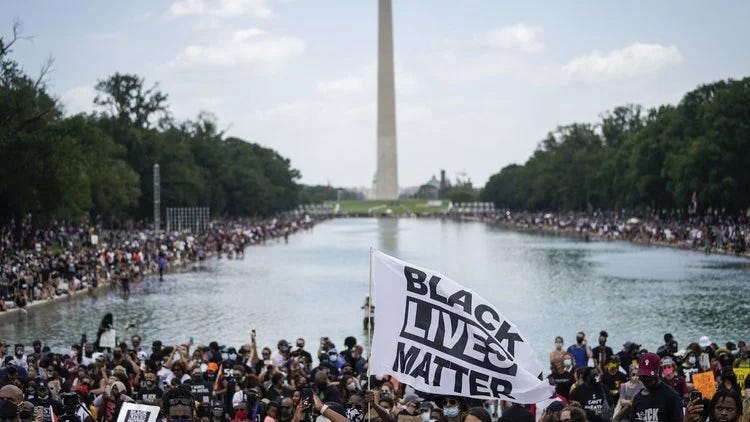
Organized by “Antifa,” Portland became the city with the most intense resistance in the nation.
In the aftermath of the incident’s revelation, the city plunged into two months of continuous protests and unrest, leading to a complete collapse of public order and spurring a significant departure of white residents.
Concurrently with the federal government’s deployment of personnel from the Department of Homeland Security, the U.S. Marshals Service, Customs and Border Protection, and the Federal Protective Service to uphold law and order, allegations surfaced that Trump had covertly directed a special operations team to embed in Portland, tasked with capturing or killing pivotal leaders of the Black movement.
As various political factions seized the opportunity in Portland to voice their opposition to Trump and his white supremacist agenda, the turmoil and military suppression lasted for two months, resulting in hundreds of injuries and at least a dozen deaths, according to local hospital records.
Within the BLM protest movement, a chorus of critics squarely targeted Trump, denouncing his white supremacist statements for inflaming racial divisions, perpetuating discrimination against Black individuals and other minority groups, and calling for his removal from office.
At the movement’s zenith, the wave of protests originating in Portland extended to numerous cities throughout the United States. In addition to Black participants, Asian Americans, Latinos, and other minority communities joined the demonstrations to collectively challenge Trump’s policies of racial discrimination.
2020 also marked Trump’s reelection campaign. Even now, it is undeniable that the Black Lives Matter movement, along with broader minority opposition to Trump, played a role in his electoral defeat that year.
The Catalyst: How Deportation Forged a New Political Power
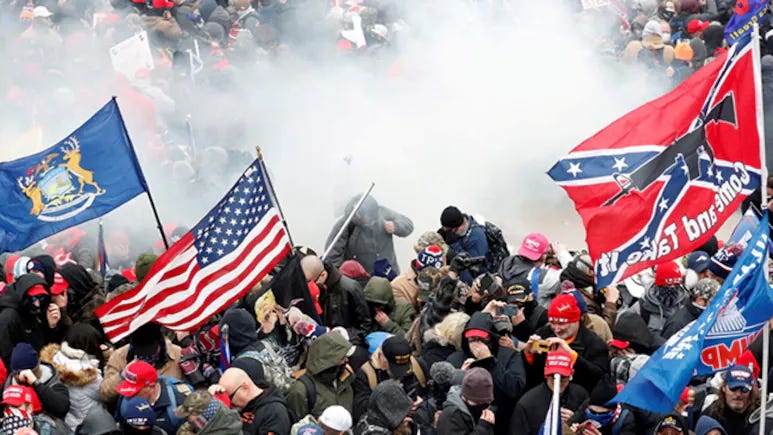
In a moment of urgency, Trump reiterated his claim that Portland’s protesters constituted terrorist organizations and sought to deploy additional military units to the city to “suppress the uprising.”
Nevertheless, his strategy was once more obstructed by congressional Democrats, leading to the eventual deployment of law enforcement personnel alone.
Two months thereafter, Democrats in the House of Representatives formalized requests for an inquiry into whether supervisory entities affiliated with the Department of Justice and the Department of Homeland Security had resorted to excessive force amid the protracted demonstrations.
However, in light of concerns that disclosing the Trump administration’s possible directives for military operations to pursue and eliminate Black activists might incite national schism, the investigative outcomes were ultimately not disclosed.
The ultimate resolution of the events involved a bilateral compromise: Republicans yielded on select interests in return for Democrats’ pledge to maintain confidentiality regarding the investigation’s details, following which Trump ordered the complete withdrawal of federal law enforcement personnel from Portland.
After securing a string of triumphs in clashes with the Trump administration, “Antifa” swiftly amplified its sway among Black Americans and minority populations, ultimately transforming into a formidable anti-Trump political entity.
On matters concerning minority communities or racial bias, “Antifa” consistently intervened to challenge the Trump regime, engendering profound animosity between the parties.
Upon reclaiming the presidency in 2025, Trump reinstated rigorous immigration measures designed to purge undocumented immigrants and detainees without legal status.
Given that undocumented immigrants in the United States predominantly hail from African and Latin American backgrounds, “Antifa” contended that Trump’s initiatives constituted a systematic encirclement and extermination effort against them, with the goal of eradicating living opportunities for all non-white ethnicities.
The group exhorted all impacted individuals to mobilize in opposition, thereby defending their vital concerns.
For undocumented immigrants in the United States, the consequences of deportation are often a fate worse than death.
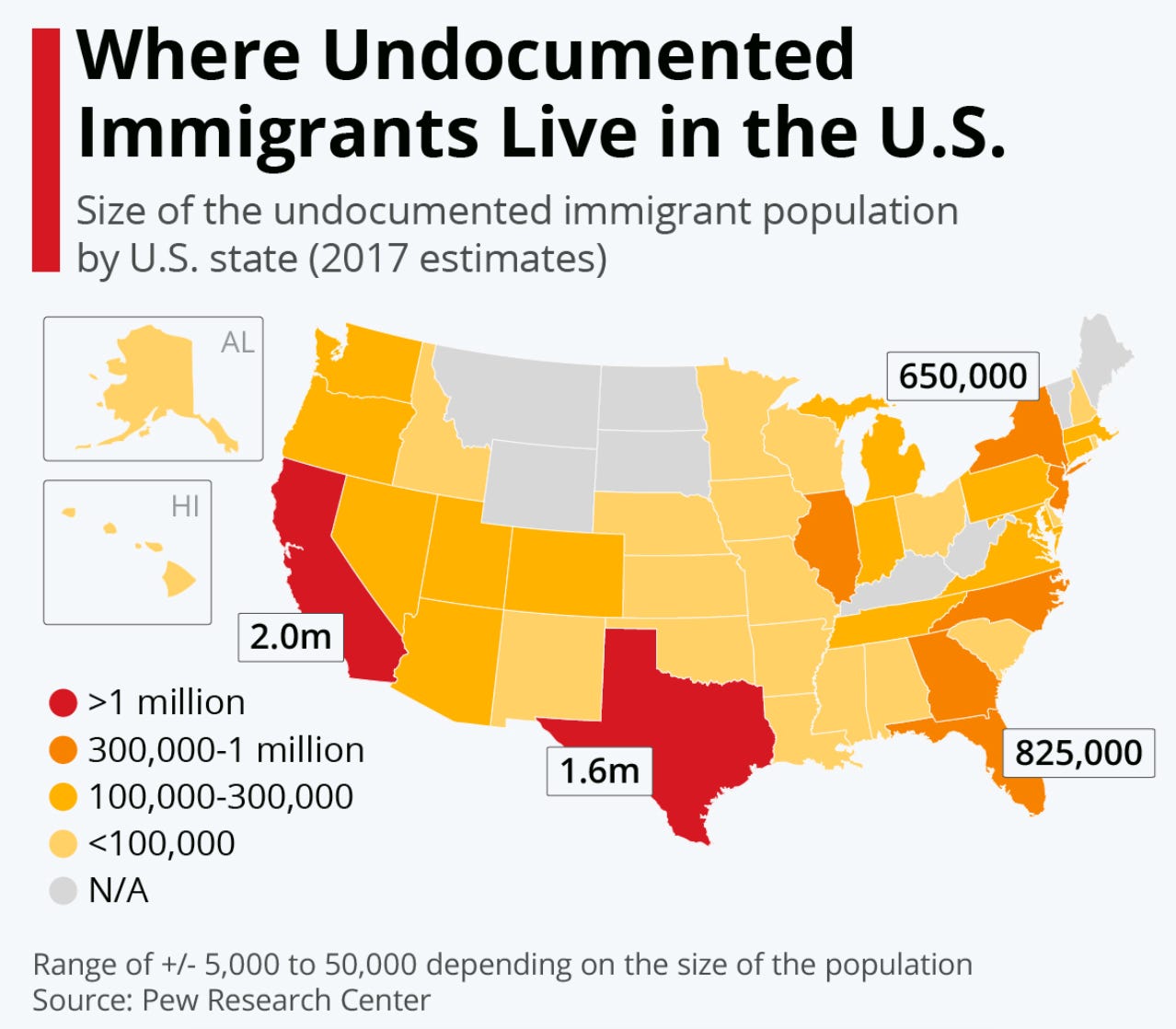
“Antifa’s” rallying cries swiftly struck a profound chord among undocumented immigrant communities of South American and African descent.
Spurred by Trump’s deportation initiatives, “Antifa’s” influence grew exponentially, drawing support from tens of millions of undocumented immigrants across the U.S.
This movement eventually transformed into a political force akin to a third party, operating outside the conventional American system to advocate for the rights of Black and other minority ethnic groups.
They exhibit structured hierarchies, robust grassroots foundations, and well-defined policy platforms. In the wake of Trump’s 2025 disclosure of deportation measures, undocumented immigrants in regions like California expeditiously formed Antifa-affiliated chapters.
Through their skirmishes with federal protective forces and U.S. law enforcement entities, their operational cohesion has steadily matured.
According to earlier assessments from the U.S. Congress, “Antifa” was previously characterized as a diffuse coalition deficient in centralized command, cohesive architecture, extensive popular backing, and sufficient financial resources.
Nevertheless, amid the 2025 surge in Trump’s efforts to expel undocumented immigrants, this organization—previously constrained in its capabilities—swiftly emerged as a standard-bearer for leading undocumented immigrants in their confrontation with the government.
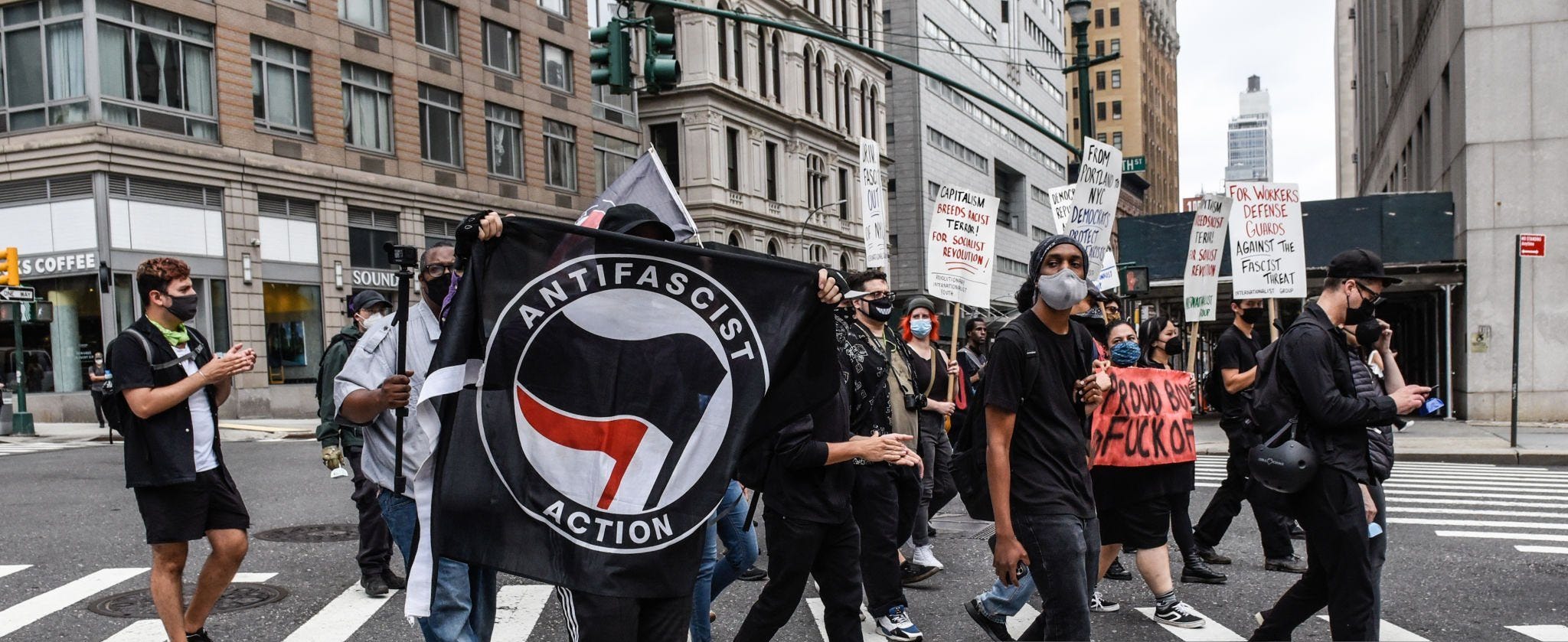
With the integration of substantial immigrant expertise, “Antifa’s” organizational architecture became progressively more stringent, culminating in the establishment of a headquarters in Portland.
Declaration of War: The Final Escalation
Anchored in Portland, the entity orchestrated a succession of resistance campaigns in urban centers densely populated by undocumented immigrants, including California and New York, where it waged guerrilla warfare against Trump’s law enforcement units.
After four months of rigorous conflict and evolutionary refinement, “Antifa” as it stands today encompasses every attribute of a fully developed political apparatus.
If the Trump administration allows its trajectory to proceed unimpeded, the U.S. political arena may well see the rise of a third prominent party advocating for minority ethnic interests, distinct from the Republican and Democratic establishments.
Trump presumably discerned the threat.
In an effort to quash the undocumented immigrants’ insurgency and crush the emerging “Antifa” party in its infancy, he executed a formal executive order on September 22, citing offenses such as “fomenting violence, endeavoring to subvert the United States government, engaging in money laundering, and operating as an illicit entity,” thereby formally classifying “Antifa” as a domestic terrorist organization.
A military campaign aimed at encircling and suppressing Black Americans and other minority ethnic groups is on the verge of commencing.
Projections indicate that Trump will imminently deploy around 150 soldiers to Memphis, Tennessee, mobilize the National Guard to Chicago, and dispatch Marine Corps units to Los Angeles.
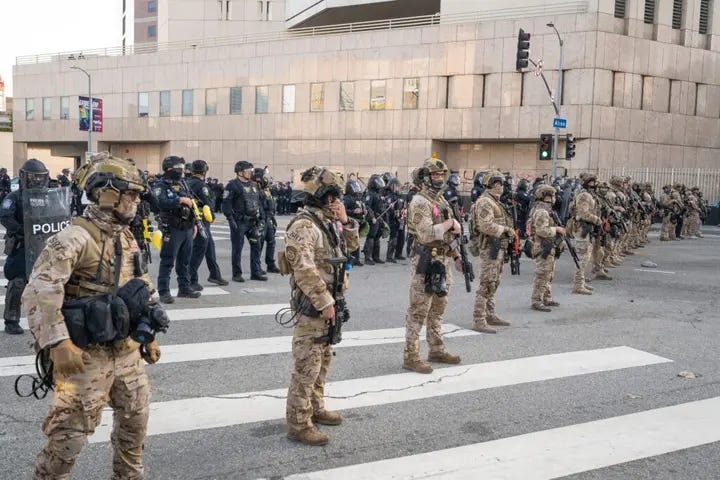
Before these steps, Trump has already directed hundreds of operatives to Portland, encompassing personnel from the U.S. Border Patrol, with the mission of clandestinely apprehending key figures within the “Antifa” network.
Confronted with the Trump administration’s aggressive measures, Black and minority communities across the United States are unlikely to remain passive.
The deployment of armed forces by Trump to quell Black populations, undocumented immigrants, and minority ethnic groups is virtually certain to precipitate widespread armed clashes on American soil.
This amounts to nothing less than an official declaration of war by the U.S. government against “Antifa,” an evolving and sophisticated political entity championing the interests of minority ethnic constituencies.
What was once a mere policing endeavor has escalated into outright warfare between competing political forces—a war of extermination pitting tens of millions of white individuals against an equivalent number of Black people, undocumented immigrants, and members of minority ethnic groups.
This conflict could herald the advent of civil war in the United States, while concurrently enabling “Antifa”—the entity championing the causes of minority ethnic groups—to ascend formally within the American political sphere.
Great analysis, Martin. Would like to add there is a resurgence of fear like we saw during the 1960s with the Black Panther movement. Its almost carbon copy. Replace Russia with China. Replace Vietnam with Venezuela. And domestically, replace Black Panthers with ANTIFA.
Excellent analysis, Martin 👏. You show clearly how, in trying to crush “Antifa,” Trump paradoxically reinforced its legitimacy and opened the door to the risk of a new political force. An insightful and unsettling piece.